Physical anthropology explores how humans evolved over millions of years by examining fossils, bones, and DNA. These scientific clues show how our species gradually adapted—developing traits like upright walking and tool use—which shaped both our biology and our cultures. Studying evolution helps us understand our shared human history and what makes us who we are today.
- Enseignant: Mustapha Tiliouine
Anthropology is built on fieldwork, where researchers live within communities to observe and share everyday life. Through participant observation, anthropologists gain a deep and authentic understanding of cultures by connecting theoretical ideas with real human experiences. By taking part in activities such as fishing or festivals, they learn directly from people, making their insights more accurate and meaningful. Fieldwork is therefore essential because it provides concrete, lived knowledge rather than information limited to books.
- Enseignant: Mustapha Tiliouine
Anthropology is built on fieldwork, where researchers live within communities to observe and share everyday life. Through participant observation, anthropologists gain a deep and authentic understanding of cultures by connecting theoretical ideas with real human experiences. By taking part in activities such as fishing or festivals, they learn directly from people, making their insights more accurate and meaningful. Fieldwork is therefore essential because it provides concrete, lived knowledge rather than information limited to books.
- Enseignant: Mustapha Tiliouine
Anthropology studies rites of passage, which are ceremonies that mark important life transitions such as birth, marriage, and death. These rituals give meaning to personal changes and help strengthen social bonds within a community. They reflect how cultures celebrate identity, growth, and belonging. Anthropologists focus on how such rituals guide individuals as they move from one stage of life to another and how these practices express cultural values and continuity.
- Enseignant: Mustapha Tiliouine
Globalization is a major theme in anthropology because it links cultures through trade, travel, and technology. It creates a more connected world where people share food, clothing, and technology from different countries. However, while globalization brings new opportunities and ideas, it can also endanger local traditions and cultural identities. Anthropologists study how global influences interact with local customs and how individuals balance global and local identities in their daily lives.
- Enseignant: Mustapha Tiliouine
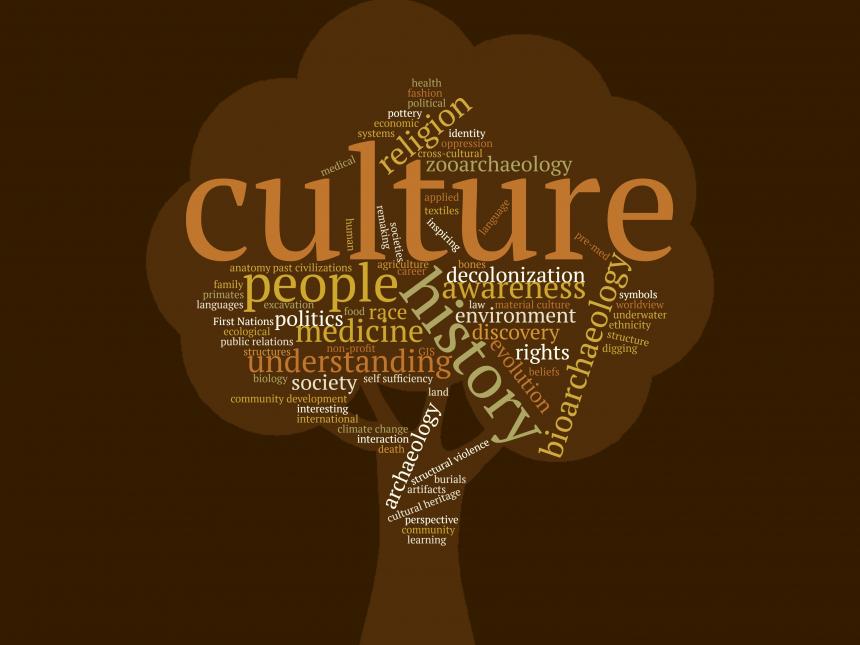
Anthropology of Power and Authority
Anthropologists examine how societies organize power and authority, which may derive from age, wisdom, or social position. Elders are often valued for experience, while in other contexts leaders emerge through political systems. Power influences decision-making and everyday life.
- Enseignant: Mustapha Tiliouine
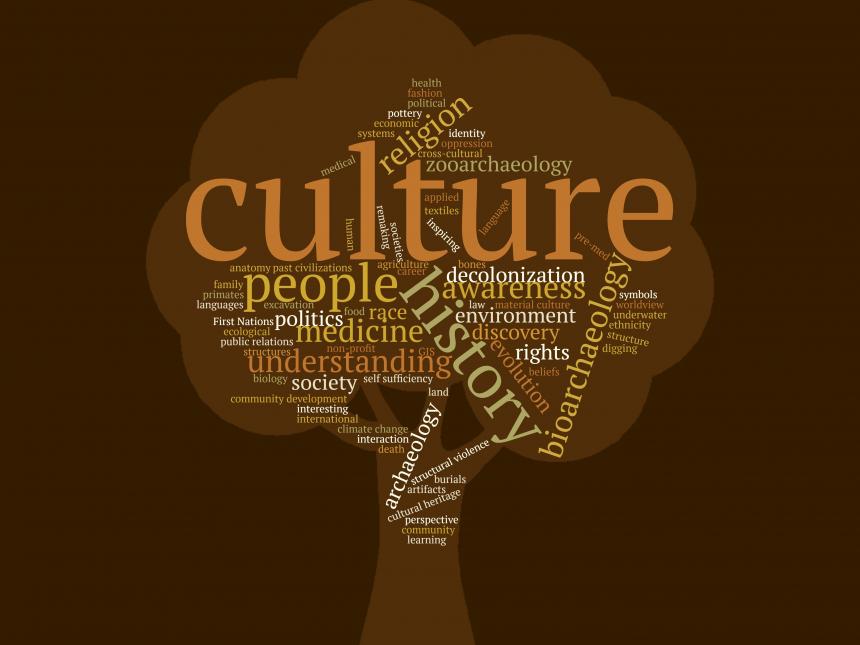
Anthropology of Power and Authority
Anthropologists examine how societies organize power and authority, which may derive from age, wisdom, or social position. Elders are often valued for experience, while in other contexts leaders emerge through political systems. Power influences decision-making and everyday life.